


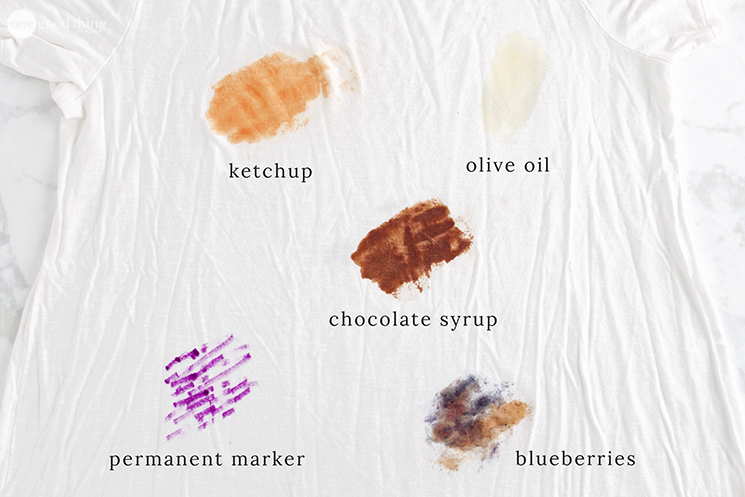
The golden rule of how to remove stains from clothes is simple: act fast, blot the stain (don’t rub), and treat it with cold water before you even think about washing it. Getting to it right away prevents the stain from working its way deep into the fabric fibers, which seriously boosts your chances of getting it out completely.
Your First Response to Any Fresh Stain
We’ve all had that heart-stopping moment—a splash of coffee on a brand-new shirt or a drop of red wine on our favorite jeans. What you do in those first five minutes can make all the difference. Your gut might tell you to scrub at it like crazy, but that’s the absolute worst thing you can do.
Rubbing just forces the stain deeper into the fabric’s weave. It can even damage the fibers themselves, making the spot permanent and more noticeable than before.
Instead, grab a clean cloth or paper towel and gently blot the area. Your goal is to lift as much of the spill as you can off the surface. Always start from the outside edge of the stain and work your way in; this keeps it from spreading.

Quick Assessment Is Key
After you’ve blotted up the excess, the next step is a quick rinse with cold water. Make sure you’re rinsing from the back of the fabric—this helps push the stain particles out instead of driving them further in. For a lot of common spills, a little cold water is all you need.
Sometimes, a bit of club soda can work wonders, too. There are actually a ton of unexpected uses for club soda in cleaning.
The biggest mistake you can make is applying heat. Heat from hot water or a machine dryer will permanently set most stains, especially protein-based ones like blood or egg. It essentially “cooks” them right into the fabric.
This initial response works for most everyday fabrics, but it’s always smart to check the garment’s care label first. Delicate materials like silk and wool need a much gentler touch than sturdy cotton or polyester.
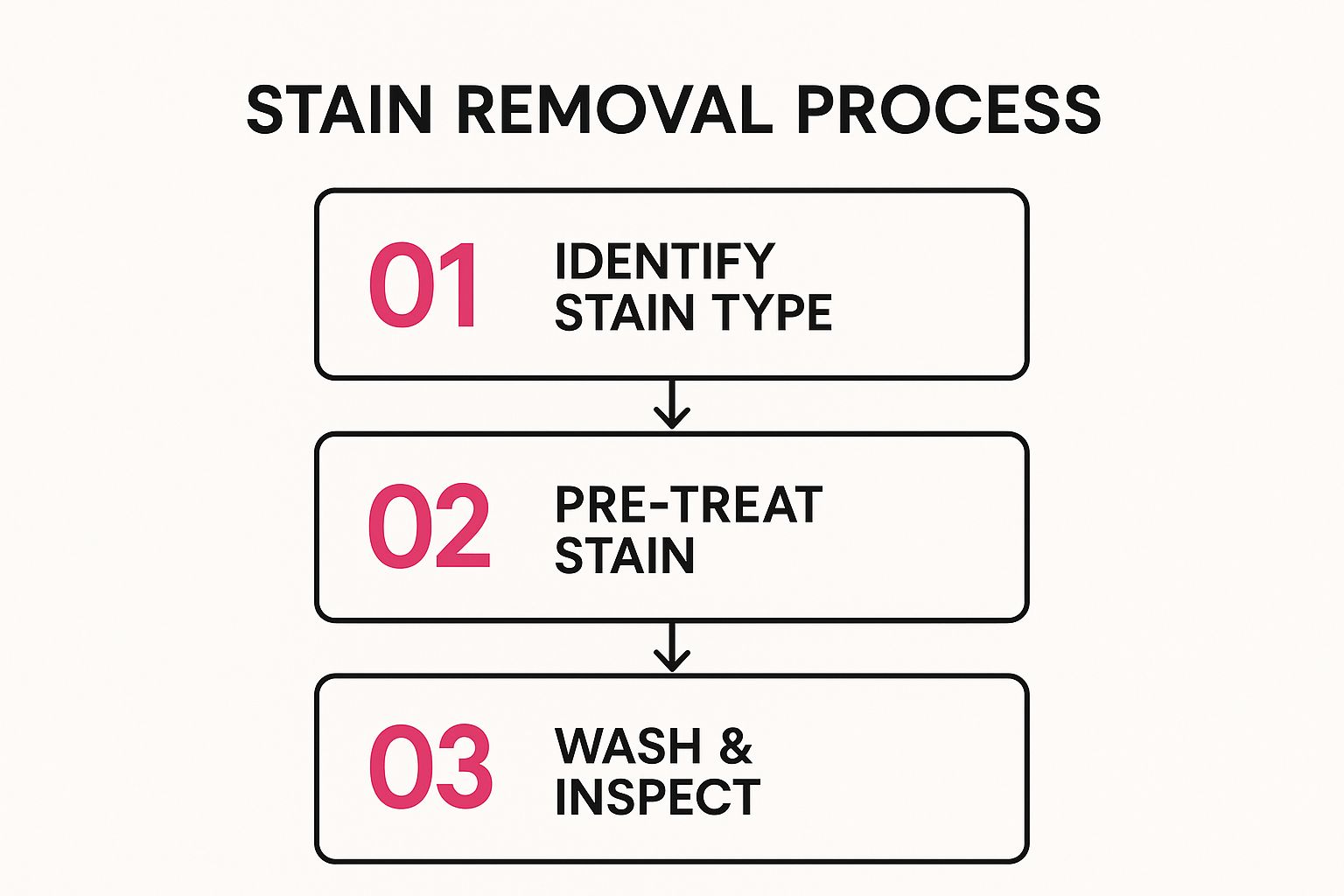
To make things even easier, I’ve put together a quick cheatsheet for those initial, frantic moments after a spill.
Immediate Stain Response Cheatsheet
Here’s a quick-reference guide for what to do the second a common stain happens.
| Stain Type | Immediate First Step | What to Avoid |
|---|---|---|
| Coffee/Tea | Blot with a dry cloth, then rinse with cold water. | Hot water, which can set the tannins. |
| Red Wine | Blot, then cover with salt to absorb the wine. | Rubbing the stain, which makes it spread. |
| Oil/Grease | Cover with cornstarch or baking soda to absorb oil. | Water, as oil and water don’t mix. |
| Blood | Rinse immediately with coldwater from the back. | Hot water, which “cooks” the protein. |
| Ink | Blot gently with a cloth dampened with rubbing alcohol. | Spreading the ink; blot carefully inward. |
| Grass | Gently scrape off excess, then rinse with cold water. | Heat, which sets chlorophyll stains. |
This table should help you react correctly without having to think too hard. Just remember the basics: blot, use cold water, and avoid heat
Conquering Common Household Stains
Let’s be honest, life is messy. From that morning coffee spill on your favorite white shirt to an accidental slosh of red wine during dinner, everyday mishaps are just part of the deal. This section is your playbook for tackling those familiar foes. We’ll skip the generic advice and get right to the proven techniques that I’ve seen work time and time again.
Many of these common stains are organic, meaning they come from plant or animal sources. The real trick is to break them down before they have a chance to set and bond with the fabric fibers. You’d be surprised how often the best defense is something you already have in your pantry.

Coffee, Tea, and Red Wine Stains
That dark splash on a light-colored shirt always feels like a mini-disaster, but it’s totally manageable if you act fast. The tannins in coffee, tea, and wine are what cause that pesky discoloration, so your main goal is to flush them out of the fabric as quickly as possible.
More Ideas You'll Love

First things first, grab a clean, dry cloth and blot the fresh stain immediately. This will soak up as much of the liquid as you can get. Next, find a bowl and stretch the stained part of the fabric tightly over it. Now, pour cold water through the stain from the back—this pushes the stain out of the fibers instead of deeper in.
For a coffee or tea mark that’s being a bit stubborn, a simple solution of equal parts white vinegar and water can work wonders. Just apply it to the stain, let it sit for about ten minutes, and then rinse it out really well before washing as you normally would.
A friend told me a fantastic little trick she uses for fresh red wine stains: cover the entire area with a generous layer of salt. The salt will actually pull the wine right out of the fabric! Just let it sit until it turns pink, then scrape it off and treat whatever is left before it goes into the wash.

Dealing with Greasy and Oily Food Stains
Pizza drips, salad dressing splashes, and butter smudges—these are some of the toughest culprits behind stubborn stains. Because oil and water don’t mix, a simple rinse just won’t cut it. You need something that can actually break down the grease itself.
Believe it or not, your secret weapon is probably sitting by your kitchen sink: ordinary dish soap. Its grease-fighting power works just as well on fabric as it does on your dinner plates.
Here’s how I tackle any oily mess:
- Blot, Don’t Rub: Use a paper towel to gently blot away any excess oil. Rubbing will only spread it around.
- Apply Dish Soap: Work a small amount of liquid dish soap directly into the stain with your finger.
- Let it Sit: Give the soap at least 15-20 minutes to really penetrate the oil. Don’t rush this step!
- Rinse and Wash: Rinse the area with warm water, then wash the garment in the hottest water the fabric can safely handle.
For a more detailed walkthrough on these specific spots, you can learn more about how to remove oily stains from clothes with a few simple tricks. This method is surprisingly effective for almost any greasy food stain. The absolute key is giving that dish soap enough time to do its job before you toss the item in the washing machine.

Tackling Tough and Seemingly Impossible Stains
Some stains just feel different, don’t they? That dark splotch of ink, a greasy motor oil smudge, or a stubborn blood mark can seem like a final verdict for your favorite shirt. This is where we go beyond simple household spills and get into the rescue missions for clothes you thought were lost causes.
These stains require more specific tactics, but they are absolutely beatable. The trick is knowing what you’re up against. For instance, many inks are solvent-based, which is why water alone won’t touch them. Oil and grease repel water, and blood is a protein that sets permanently with heat. Knowing this helps you choose the right tool for the job.
Fighting Ink, Oil, and Blood Stains
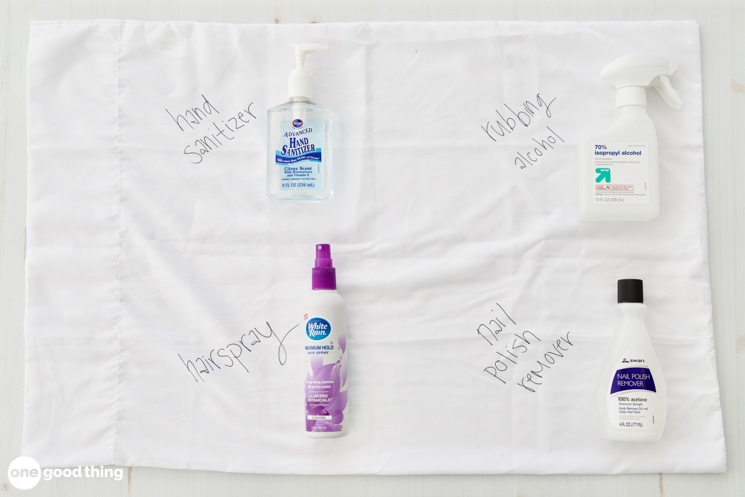
An errant ballpoint pen mark is a classic clothing catastrophe. To dissolve it, lay the stained area over a paper towel and gently dab the spot with a cotton ball soaked in rubbing alcohol. You’ll actually see the ink transfer right onto the paper towel below. Keep dabbing with a clean part of the cotton ball until the ink is gone, then give it a good rinse before washing.
More Ideas You'll Love

For a fresh grease or oil stain, your first move should always be to absorb as much as possible. Generously cover the spot with cornstarch or baking soda and let it sit for at least 30 minutes. The powder will pull the oil out of the fabric fibers, making it so much easier to treat afterward with a bit of dish soap.
Blood stains must always be treated with cold water to prevent the protein from setting for good. I’ve found the best way is to rinse the stain from the back of the fabric to push it out. For any lingering discoloration, a small amount of hydrogen peroxide can be carefully applied to bubble the stain away, but always test on a hidden spot first as it can have a mild bleaching effect.
If you’re dealing with a particularly stubborn blood stain, our comprehensive guide on how to safely remove blood stains offers even more detailed techniques that I swear by.
With the demand for effective solutions on the rise, it’s no surprise that the global fabric stain remover market was valued at around $11.66 billion in 2025. This growth shows just how much we all need reliable products for these challenging messes. If you’re curious about the trends, you can discover more insights about the fabric care market.
Building Your Stain Removal Toolkit
You don’t need an entire aisle of cleaning supplies to handle whatever messes life throws at you. I’ve learned over the years that knowing how to remove stains from clothes is less about having dozens of products and more about having a few key players on your team. The best toolkit is a smart one, combining the targeted power of a few commercial products with the simple effectiveness of things you already have in your pantry.
The Must-Have Commercial Products
When you’re building your stain-fighting arsenal, there’s one item that is absolutely non-negotiable: an enzyme-based cleaner. Think of these as biological powerhouses. They’re specifically designed to break down protein-based stains like grass, sweat, blood, and baby food. They literally “eat” the stain, which makes them incredibly effective where other cleaners just can’t cut it.
Another fantastic addition is an oxygen bleach powder. It’s a color-safe alternative to traditional chlorine bleach and works wonders on organic stains like coffee and wine. It brightens fabrics without the risk of damage or fading.
And for those inevitable “oops” moments when you’re out and about, a portable stain remover pen is a lifesaver. It can stop a stain from setting in its tracks, buying you time until you can treat it properly at home.
I’ve found that the best approach is a hybrid one. I rely on a good enzyme spray for tough organic messes, but I turn to my pantry for most everyday oil and beverage spills. It’s all about using the right tool for the job.

Your DIY Stain-Fighting Pantry
Believe it or not, some of the very best stain fighters are probably hiding in your kitchen right now. These simple ingredients are cheap, surprisingly effective, and can be used for so many other things around the house.
Here are a few of my go-tos:
- White Vinegar: Its mild acidity is perfect for dissolving tannin stains from coffee, tea, and juice. A true classic.
- Baking Soda: This is my secret weapon for absorbing grease and oil spills. It also creates a gentle abrasive paste for scrubbing out tougher spots.
- Hydrogen Peroxide: A powerful tool for lifting tricky protein stains like blood, especially from white fabrics. Just be sure to do a spot test on a hidden area first!
- Lemon Juice: This is nature’s bleaching agent. It works wonders on berry stains, especially when you let the fabric sit out in the sunlight for a bit.
You can even combine some of these to create your own treatments. For a great all-purpose solution, check out this guide for making a homemade laundry stain stick. It’s super effective and incredibly budget-friendly.
DIY vs Commercial Stain Removers
Deciding between a store-bought product and a pantry staple can be tricky. Sometimes, a DIY solution is all you need, but other times, you need the targeted power of a commercial formula.
| Stain Type | Effective DIY Solution | Recommended Commercial Product Type |
|---|---|---|
| Protein-Based | Hydrogen Peroxide (for whites), Soapy Water | Enzyme-Based Spray or Pre-Soak |
| Oil & Grease | Baking Soda or Cornstarch to absorb, Dish Soap to break down | Solvent-Based Spot Treatment |
| Tannin (Coffee/Wine) | White Vinegar or Lemon Juice | Oxygen Bleach (Powder or Spray) |
| Dye & Ink | Rubbing Alcohol (test first!) | Ink-Specific Remover or Heavy-Duty Spotter |
| General Grime | Bar Soap (Fels-Naptha), Vinegar rinse | All-Purpose Pre-Treatment Spray |
Ultimately, having both options available gives you the flexibility to tackle any stain, whether it’s a fresh spaghetti sauce splatter or a set-in mystery mark.
What to Do When a Stain Refuses to Leave
We’ve all been there. You pull your favorite shirt out of the washing machine, hopeful, only to see the ghostly outline of that darn stain still clinging to the fabric. It’s so frustrating! But before you give up and relegate it to the rag pile, don’t panic. This is usually fixable.
Whatever you do next, there’s one golden rule: do not toss it in the dryer. I can’t stress this enough. Heat is a stain’s best friend. Those high temperatures will bake the discoloration right into the fibers, setting it for good and making it almost impossible to ever get out. Always, always air-dry any piece of clothing that might still have a stain.
Once it’s dry, you can get a better look and bring out the big guns for round two.
For stubborn organic stains—think coffee, grass, or wine—an overnight soak can work wonders. Just fill a bucket or sink with cool water and add a scoop of a good oxygen-based bleach powder. Submerge the item completely, and just let it be for at least eight hours (or even overnight) before you wash it again.
This slow-and-steady approach gives the oxygen bleach plenty of time to work its magic, breaking down what’s left of the stain without being harsh on your clothes.
Knowing When to Call a Professional
Sometimes, no matter what you try, a stain just isn’t going anywhere. This happens a lot with mystery stains where you have no idea what you’re fighting, or on fabrics that are just too delicate for any real scrubbing.
It might be time to tag in a professional dry cleaner if you’re up against:
- Delicate Fabrics: Things like silk, wool, and some rayons are tricky. Experts know how to treat them without causing damage.
- Set-In Oil or Ink: These are some of the toughest stains out there and often need special solvents you just don’t have at home.
- High-Value Items: Don’t take a chance on an expensive suit or a sentimental piece of clothing. It’s just not worth the risk.
Professionals have an arsenal of chemical treatments and, more importantly, the experience to know exactly how to remove stains from clothes without ruining the fabric. When in doubt, let them handle it.

Frequently Asked Questions
Even after years of tackling laundry, a few tricky situations always seem to pop up. Let’s go through some of the most common questions I get about stain removal. These quick answers should help you solve those last few laundry mysteries with confidence.
Can I Use Bleach on Everything?
Definitely not. I know it’s tempting, but standard chlorine bleach is a real powerhouse that’s only safe for sturdy fabrics like white cotton. On anything else, it can be a total disaster.
It will absolutely strip the color from your favorite shirts and can even eat away at delicate fibers like wool, silk, or spandex.
For anything with a bit of color, your best bet is always an oxygen-based bleach. It has fantastic stain-lifting power without ruining your clothes. And a pro tip I always follow: test any new product on a hidden seam first, just to be safe!
Does Hot Water Really Set Stains?
Oh, absolutely. This is one of the golden rules of stain removal, and ignoring it can ruin a garment for good.
When you’re dealing with protein-based stains—think blood, egg, or dairy—hot water will essentially “cook” the stain right into the fabric fibers. It becomes nearly impossible to get out after that.
Always, always start your stain treatment with cold water. It works to safely flush the stain out of the fabric without locking it in. You can switch to warmer water later in the washing machine, but only after the stain is pre-treated and mostly gone.
What if I Get a Stain While I’m Out?
We’ve all been there! The key is to act fast, even if you’re away from home.
Grab a clean napkin and gently blot the spill—whatever you do, don’t rub it in. If you can, head to a restroom and flush the area from behind with a little club soda or cold water to push the stain out of the fabric.
For greasy spots, a sprinkle of salt can work wonders to absorb the oil until you can treat it properly at home. Honestly, a stain remover pen is a fantastic tool to keep in your bag for these exact kinds of emergencies.





This is a very practical and well-explained guide! Removing stains can be a bit challenging, especially since different fabrics and stains require different treatments.
As a laundry service, we deal with all kinds of tough stains on a daily basis, and the right technique applied at the right time can make all the difference in saving the clothes.
If you need professional help for your tough stains, feel free to check our service here:
Please log in or create a free account to comment.👉 https://www.alldoneasiatic.com/dry-cleaners-in-Andro-parking
I wish you had a print out sheet like you do on other post like washing pillows and getting out arm pit stains. I keep them clipped to the side of my washer for easy reference. I love your blogs! Merry Christmas from Tennessee.
Please log in or create a free account to comment.Thank you for the kind words, Debra. Hope you had a wonderful holiday season, and Happy New Year! If you click on this link, you’ll find a printable cheat sheet for stains.
Please log in or create a free account to comment.How To Remove Stains: A Comprehensive Stain Removal Guide